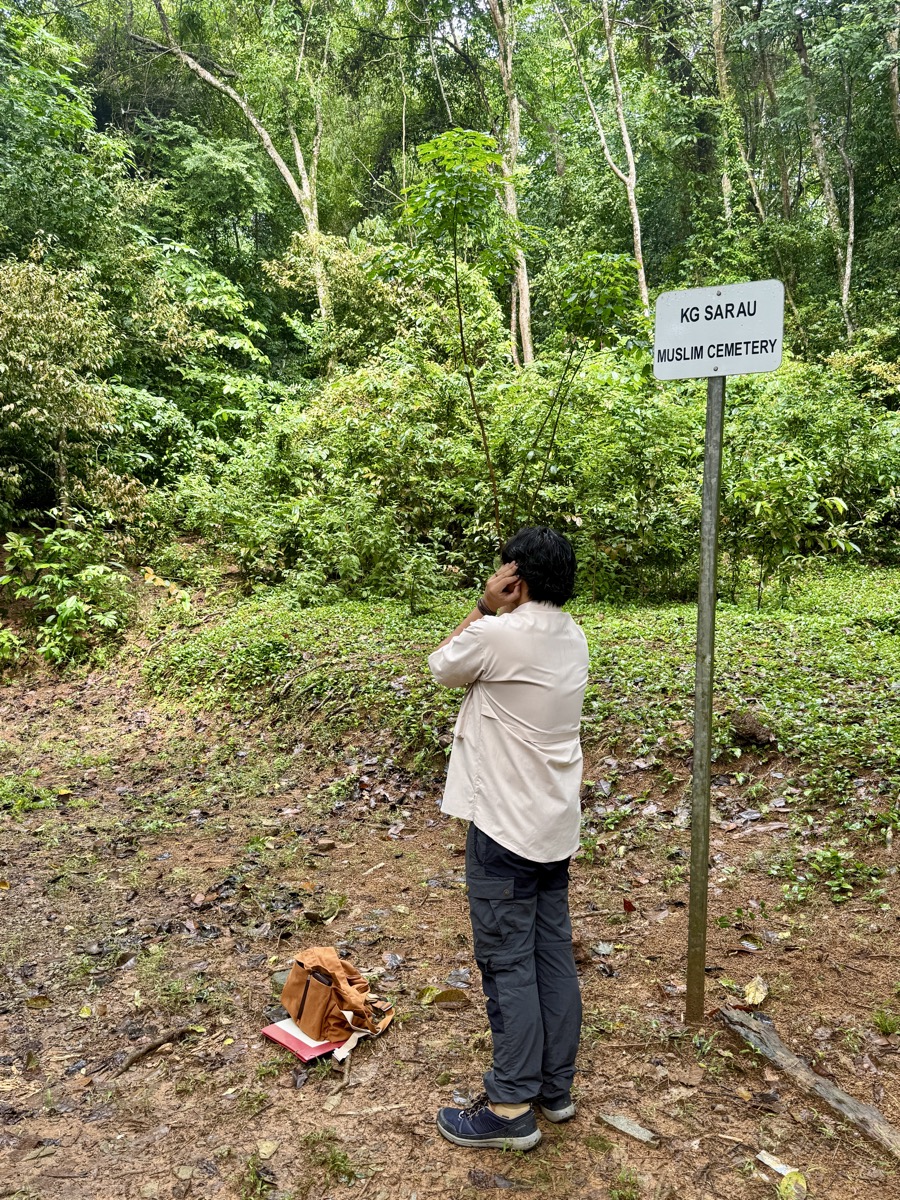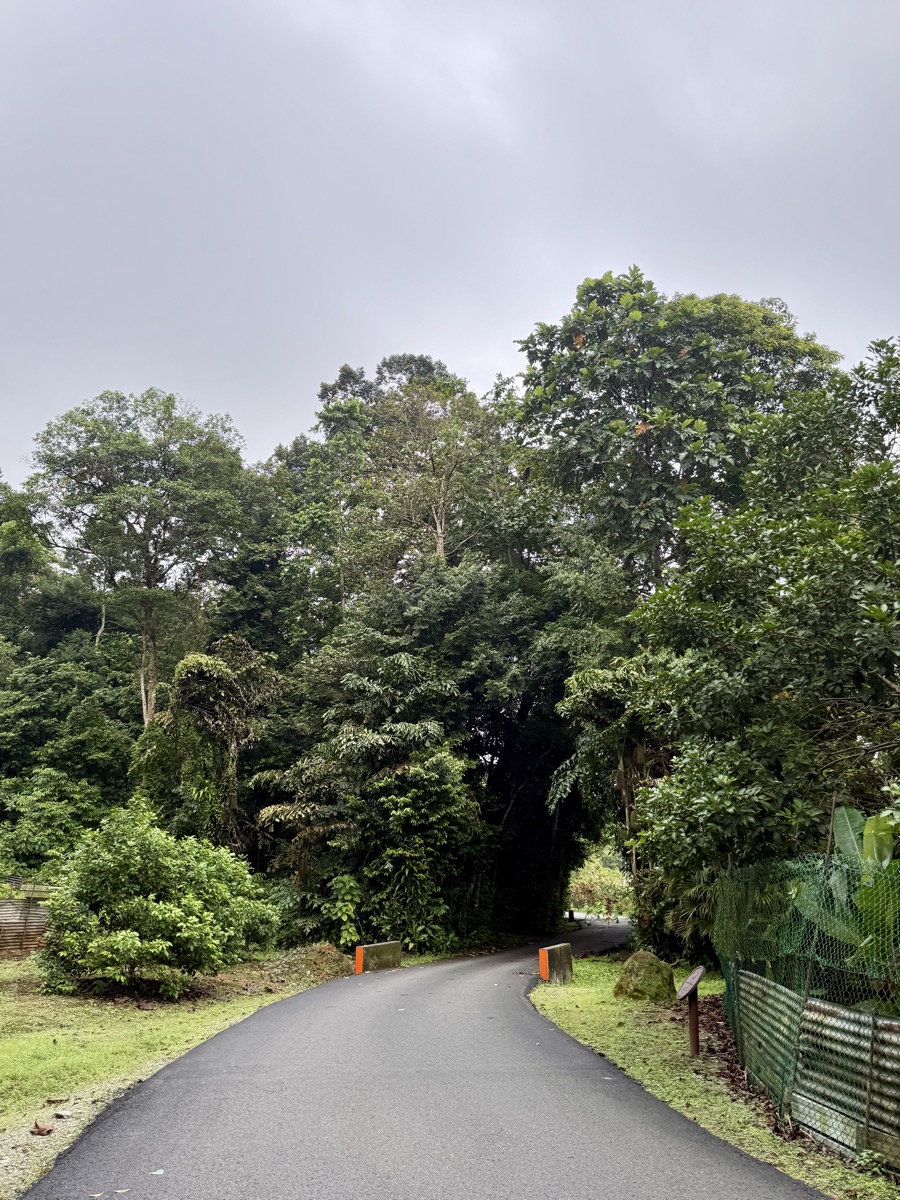
It was my first real day of leave, finally away from work, and I had decided to spend the morning walking. There was a time when I would go on these solo walks regularly instigated by circumstance and enabled by the social distancing and lockdowns of COVID that now seem like another lifetime. These were explorations of the city, and also of my own head.
It had been raining most of the week. What was at risk wasn't just the walk being cancelled, but me delaying further something that had been overdue. Thankfully, the weather held.
I met Wan for the first time in person at Changi Point, though I'd followed his work on social media for a while. He started Wan's Ubin Journal in 2018 as a personal blog to document his roots and family heritage. Since then, his website has grown to hold interviews, discoveries, and documentation of the Orang Pulau community's stories and living culture. His work has gained momentum and interest, and he has shared his stories through community walks. And now, he's taking the next step with these tours.
Blessed with time on my hands, I'd signed up for his guided walk, having always missed the community events on Pulau Ubin. As it turned out, I was Wan's first customer in his new phase as an officially licensed tour guide.
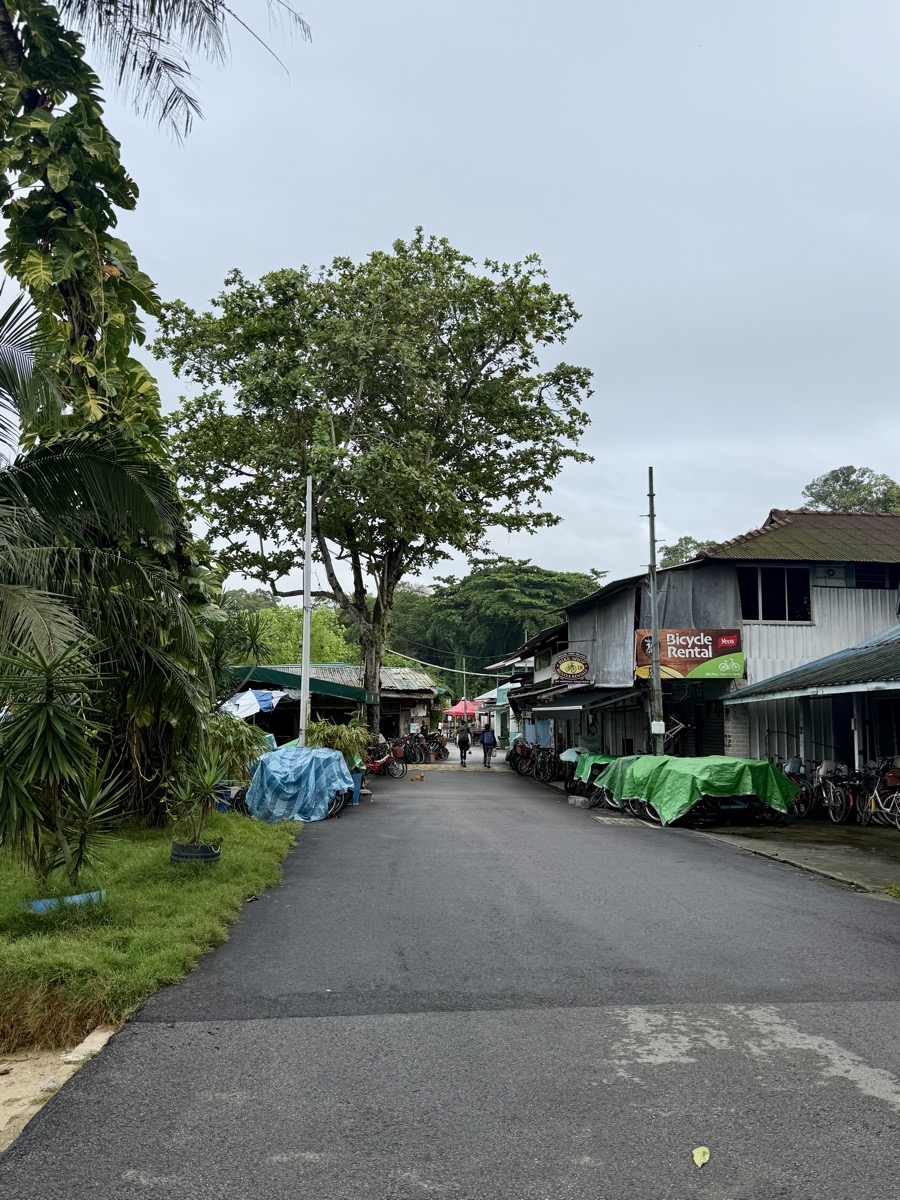
I've been to Ubin many times but never with a guide. I've cycled and walked through it with friends and alone, but without the insight of someone who knows the lives that were lived there. Intellectually, I knew people had lived there, evidenced by the cluster of buildings near the jetty, the few kampung signages, and the cemetery markers. But the overwhelming narrative of the island throughout my life has been about nature: the mangroves, the secondary forest, the grand canopies, and wildlife. Ubin is known to many as precious respite from Singapore's urbanized mainland. The public's response in 2001 when reclamation plans for Chek Jawa's 100-hectare wetlands were announced still lingers. It led to efforts focused on saving the area's ecosystems and rich marine biodiversity and eventually caused the indefinite postponement of reclamation works. What was often considered at risk at Pulau Ubin was the natural environment. The urban and social fabric on the island were however often obscured by the rug of undergrowth and canopy overhead.
With Wan, I was reintroduced to Ketuk Batu, the name locals use for Pekan Ubin. "Knock stone" in Malay, after the granite quarries that were the island's main economy until the 1980s. That granite built Singapore. Literally. Horsburgh Lighthouse on Pedra Branca in 1851, the Raffles Lighthouse in 1855, and the Causeway linking Singapore to Johor in 1923. It also contributed to the Istana, early public housing and roads that paved the way for Singapore's development. The quarrying came from six deep pits: Balai, Kekek, Ketam, Pekan, Petai, and Ubin. Each mined to the depth of a ten-storey building. Today, they're filled with water, transformed into scenic lakes supporting a variety of life.
I was Wan's only customer that day. A private tour. He shared his stories as we walked, answering my tangential questions without rushing, introducing me to kampungs and warungs, some of which no longer exist. Sometimes, just a single photo in his archive as proof they were there.
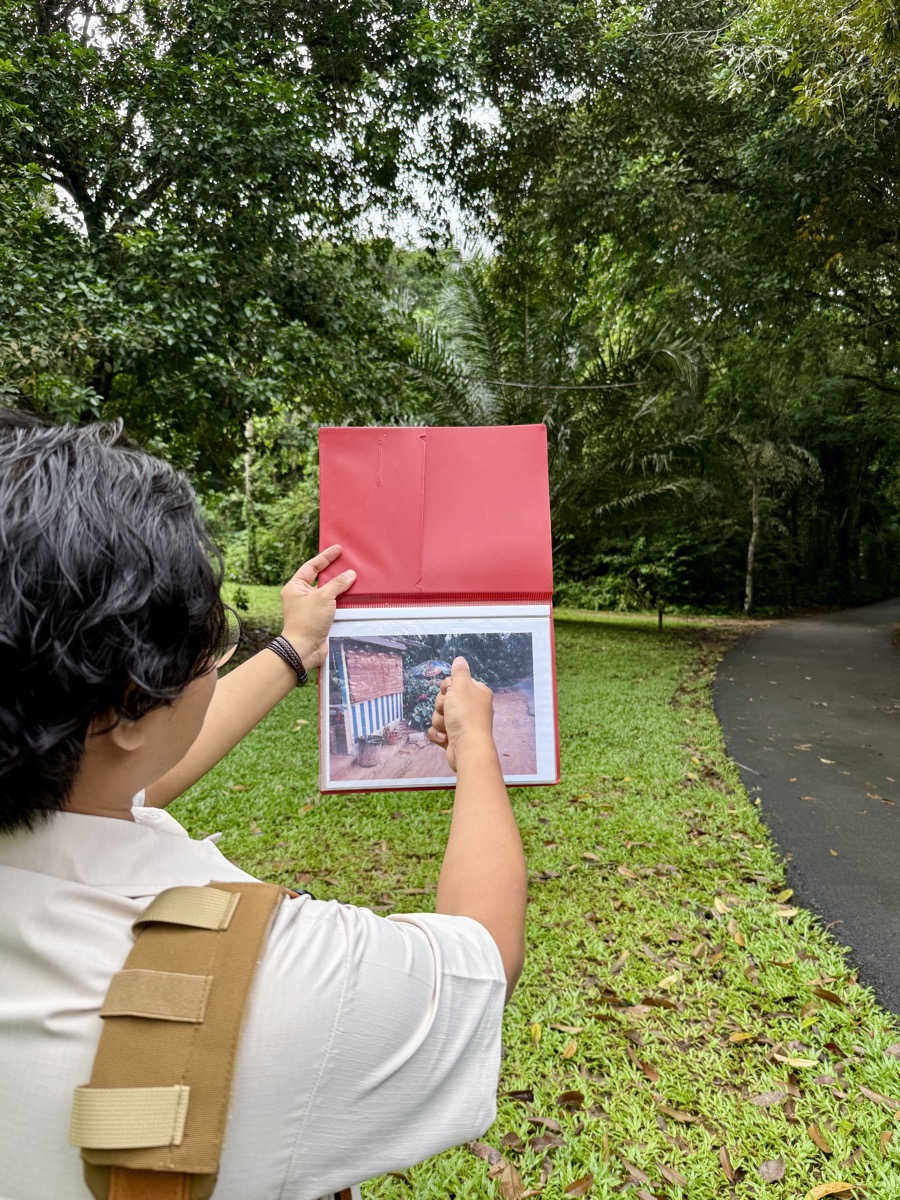
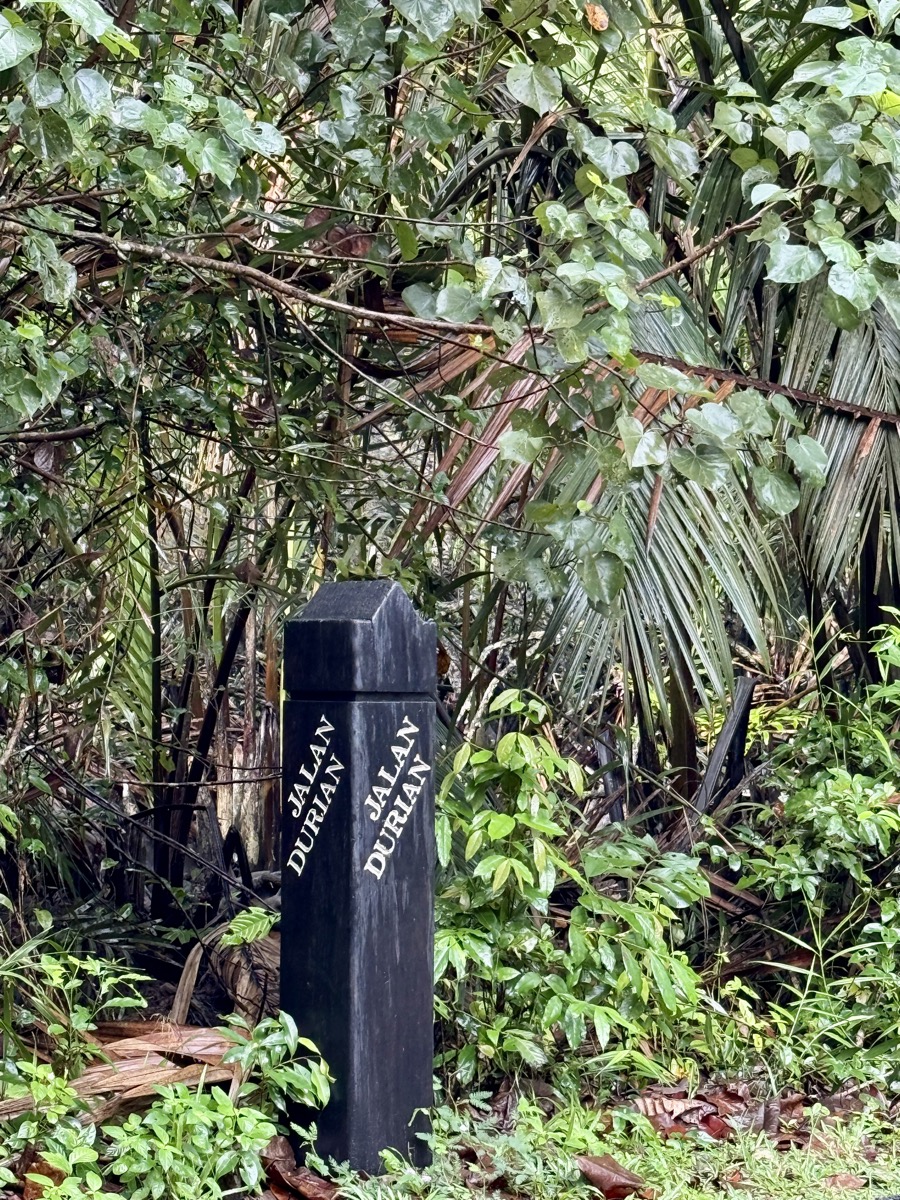
The occasional roar of planes heading to Changi Airport punctuated our conversation and the singing of insects. It was a weekday, so human contact was rare. Just as rare were the markers of the island's communities.
As a descendant of Pulau Ubin's Orang Pulau, Wan has heard stories from his family and their kampung neighbours. He shared some of these with me, about how communities found their roots there, some by migrating from other parts of the Nusantara and some being there as long as they could remember. There were descendants of the Orang Laut and indigenous Malays of Bugis and Javanese origins, and also the Chinese quarry workers that arrived in the late 1800s. This was a vibrant place. At its peak in the 1950s to early 1970s, over 2,000 people lived on Ubin.
Wan shared how the Orang Pulau lived in harmony with the island and each other. Multi-racialism before Racial Harmony Day existed. Using the earth's bounties for sustenance and home maintenance before the Parks and Trees Act took force. Things were organic. They might seem messy to outsiders. But only because we didn't understand the island's rhythm. That same monsoon rhythm also saw us being caught in the rain and waiting it out under the extended shelter of an empty house.
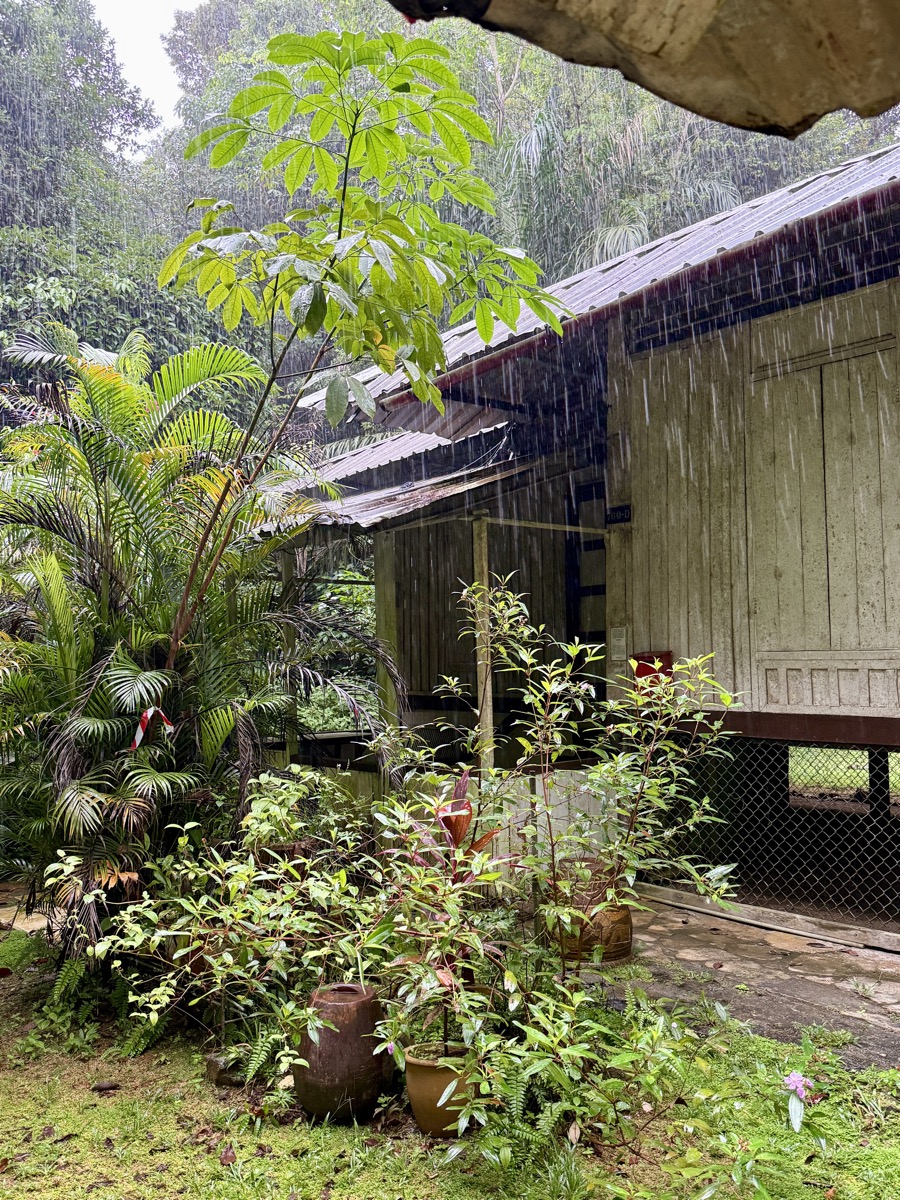
As we waited for the downpour to pass, we reflected on what this place was and what it could be. Not for Wan or me, but for others. For those who came before, who need to see their memories and stories shared before the opportunity disappears. And for those who will come after, who may never know the layers of story beneath their feet.
The most important stories along the walk were told not because of what's there, but what isn't. The school closed in 1985 and was demolished in 2000. The clinic closed in 1987. The last granite quarry shut down in 1999. The kampong homes were consumed by nature, one at a time.
Wan paused before each story and spoke the names of the people and places deliberately. He carried them respectfully, as if they were the only thing tethering him to his motherland. By sharing, faded memories unfade a little. Continue to exist.
There are official efforts to preserve what remains. The National Parks Board's ten-year plan, "The Ubin Project's Next Bound" includes a dedicated Kampung House Restoration Programme. But Wan is also building something himself, Ambin Ubin, a sociocultural hub from the ground up. Now, it's a matter of speed. The resilience of the remaining buildings against our harsh tropical climate. The failing of our memories and systems versus the spirit of whoever remains. Who will yield first?
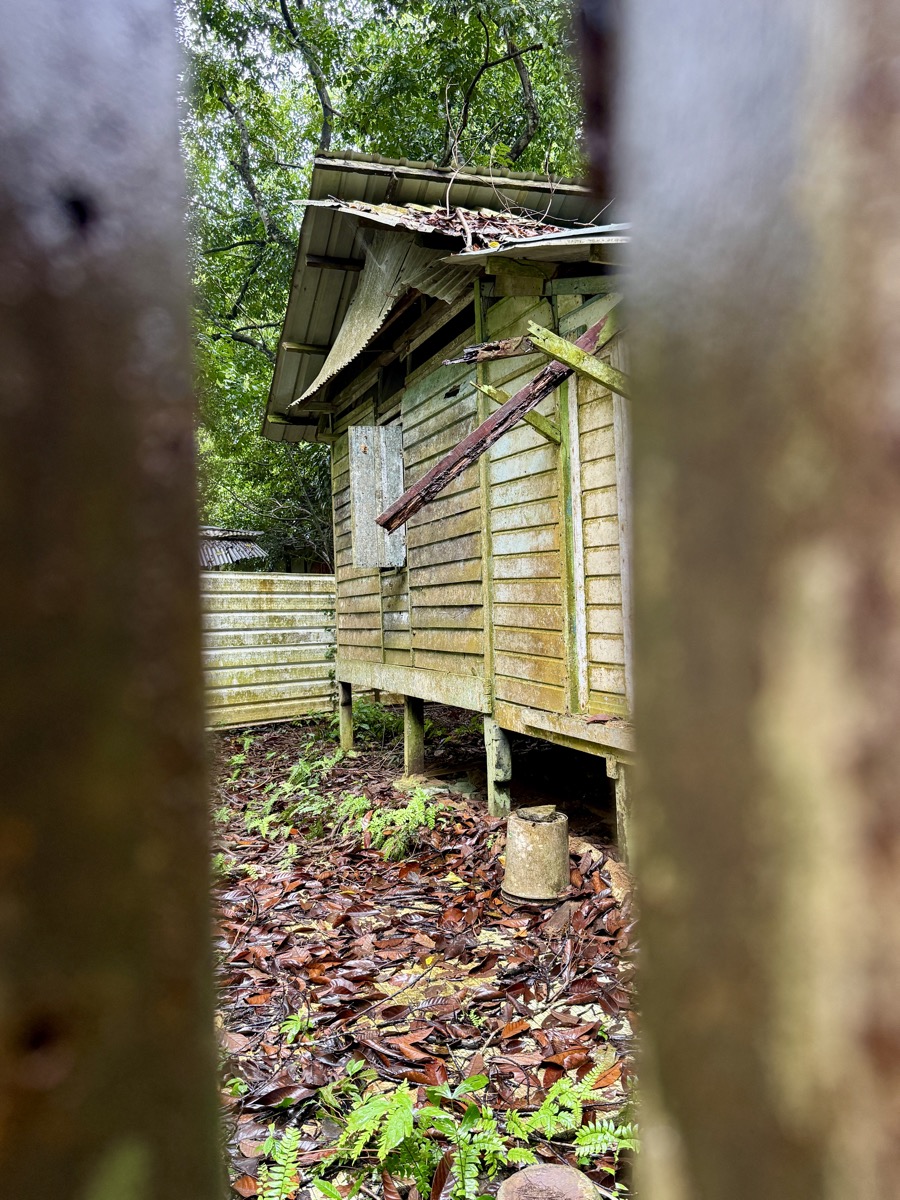
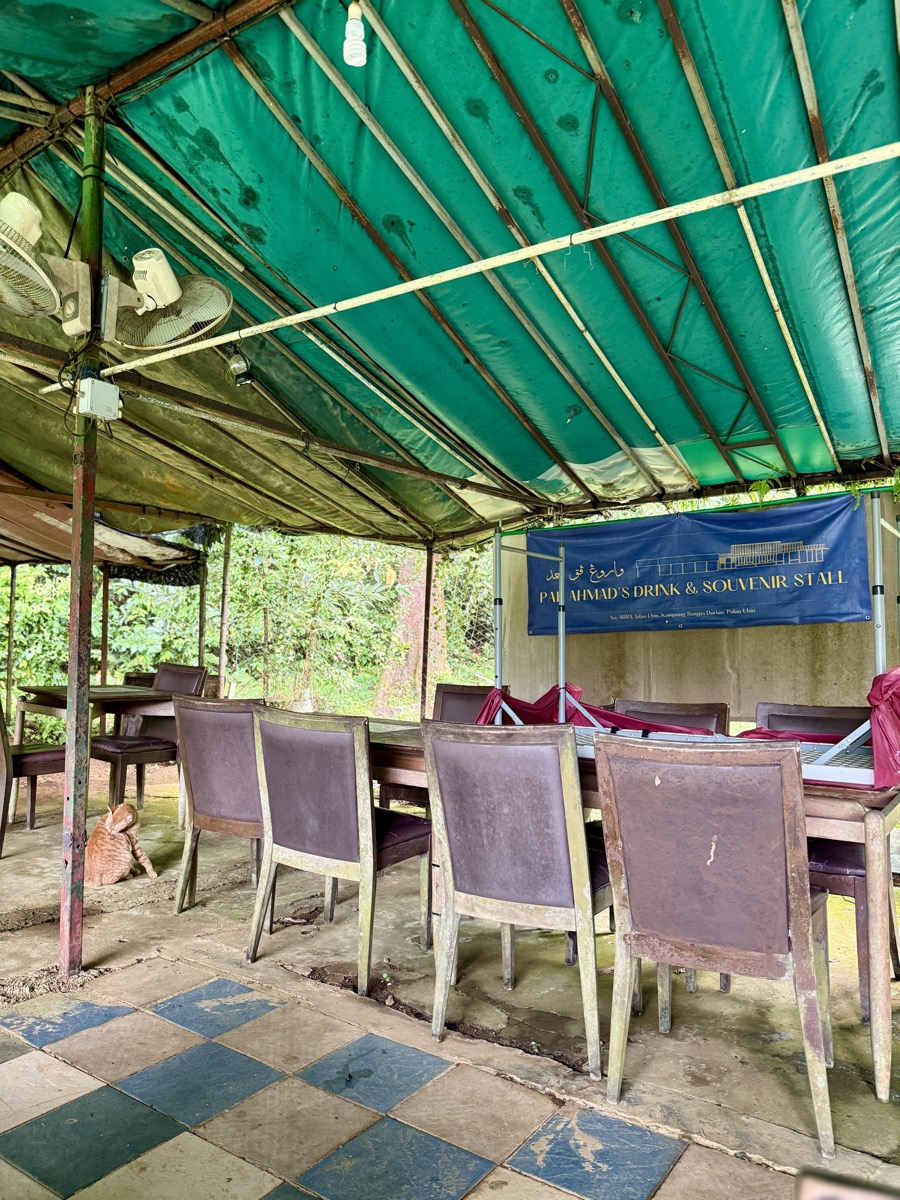
I thought about the paths and places in Ubin that I've often traversed. Now they have context. I know my Warung Sulong from my Warung Ahmad. When I see empty patches of land, I don't see land reserve waiting to be unlocked or re-forested. Instead I see the footprints of communities who raised roofs and children there. I understand that the paths I walk were trodden by people on their way to work, school, weddings, and funerals. And sometimes, today's paths cut across places of the past as convenience wins.
Wan ended the tour with a melodious azan (a call for prayer) at the site of the old surau. His voice bounced off walls of nature instead of the surau walls that no longer exist. He said it was a reminder of Ubin's soundscape. I thought it felt like a call announcing that someone is still here. That someone remembers. That someone cares enough.